


Select A Store
Select Store
My Store:
Select A Store
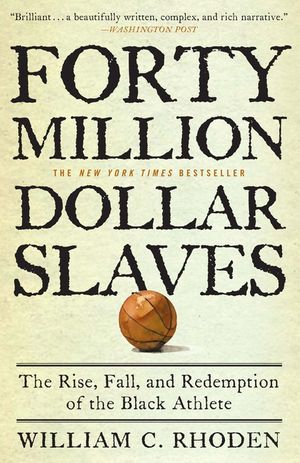
Forty Million Dollar Slaves: The Rise, Fall, and Redemption of the Black Athlete
by Rhoden, William C.
Availability:
$8.49
Used
-
Trade Paperback
-
9780307353146
Overview
Overview
From Jackie Robinson to Muhammad Ali and Arthur Ashe, African American athletes have been at the center of modern culture, their on-the-field heroics admired and stratospheric earnings envied. But for all their money, fame, and achievement, says New York Times columnist William C. Rhoden, black athletes still find themselves on the periphery of true power in the multibillion-dollar industry their talent built.
Provocative and controversial, Rhoden's $40 Million Slaves weaves a compelling narrative of black athletes in the United States, from the plantation to their beginnings in nineteenth-century boxing rings to the history-making accomplishments of notable figures such as Jesse Owens, Althea Gibson, and Willie Mays. Rhoden reveals that black athletes' "evolution" has merely been a journey from literal plantations--where sports were introduced as diversions to quell revolutionary stirrings--to today's figurative ones, in the form of collegiate and professional sports programs. He details the "conveyor belt" that brings kids from inner cities and small towns to big-time programs, where they're cut off from their roots and exploited by team owners, sports agents, and the media. He also sets his sights on athletes like Michael Jordan, who he says have abdicated their responsibility to the community with an apathy that borders on treason. The power black athletes have today is as limited as when masters forced their slaves to race and fight. The primary difference is, today's shackles are often the athletes' own making.- Format: TradePaperback
- Author: Rhoden, William C.
- ISBN: 9780307353146
- Condition: Used
- Dimensions: 7.92 x 0.67
- Number Of Pages: 286
- Publication Year: 2007
Customer Reviews
Rating Snapshot
5 ★
100%
4 ★
0%
3 ★
0%
2 ★
0%
1 ★
0%
1 Ratings
0
0% Would Recommend
0 Recommendations
Review Images
Sort by:
-
Must read for ADOS sports enthusiast.
Sharon W. - 5 years 8 months agoThe book is a comprehensive history of sports in America and the impact of institutionalized slavery. It show how American Descendants of Slavery (ADOS) grew the sports industry. It also show how they were and are locked out of the sports industry. It is funny, you think a sport you enjoy could become obsolete or not have a following. But it happens. I enjoyed the learning about how jockey's were super stars and world renowned. Now they are not. How slaves transitioned to freeman and inurned transformed horse racing. The book uses history as a platform to project the future of sports and ADOS place in that future. Will they get shut out like the black jockeys?