


Select A Store
Select Store
My Store:
Select A Store
Availability:
$24.99
Used
-
Hardcover
-
9781465482518
Overview
Overview
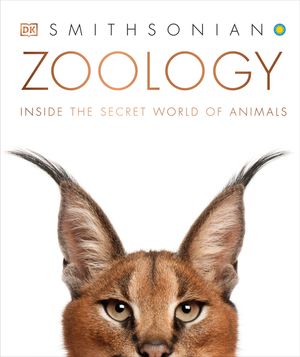
From tiny insects to sleek great white sharks and majestic elephants, this book invites you to explore the animal kingdom up close--from head to toe. Whether you're interested in specific animal groups such as mammals or birds or have a passion for wildlife photography, this beautiful book will delight, fascinate, and surprise. DK's elegant new introduction to wild animals is packed with dramatic photography and crystal-clear illustrations that explain how animals work, both physically and socially, celebrates their beauty, and describes how they are adapted to do different things and survive in different environments. The unique head-to-toe approach, with chapters on different body parts, allows you to focus in on the beauty of the antenna of a moth, the flight feathers of a parrot, or the feeding tentacles of a coral. Zoology also explores how we have depicted animals in art throughout the ages, from zoological drawings that recorded new discoveries to great paintings and drawings inspired by a deep connection to the natural world. With fascinating stories, such as how animals communicate, defend their territories, and attract mates, Zoology offers an engaging introduction to the extraordinary diversity of the animal kingdom.
- Format: Hardcover
- Author: DK
- ISBN: 9781465482518
- Condition: Used
- Dimensions: 11.90 x 1.20
- Number Of Pages: 416
- Publication Year: 2019
Customer Reviews
Rating Snapshot
5 ★
100%
4 ★
0%
3 ★
0%
2 ★
0%
1 ★
0%
1 Ratings
0
0% Would Recommend
0 Recommendations
Review Images
Sort by:
-
Smithsonian Zoology The secret world of animals
Ralph M. - 5 years 6 months agoEver look a spider in the eye? (see p. 157). Now that I’ve turned away the readers who aren’t seriously interested in animals, let’s continue. This book was a present for my wife, who absolutely adored the book. She also likes zoos, and watching birds, lizards, squirrels and ants, and anything else animal (including, but not limited to, pet dogs and farm animals, but not cockroaches). The 400+ page book covers all kinds of animals, arranged not by type, but by anatomy - there are sections on skeletons, mouths, legs, smell, vision, even behavior. ‘Lavishly illustrated’ is a cliche, but here it’s actually appropriate. Color photos compete with diagrams and paintings, all of high quality. The subjects range from the familiar (horses) to the decidedly exotic (the lichen katydid, which could easily star in a science fiction film). Generally taken from life, they show animals doing, well, what animals do, in ways that you’ve not seen before (check out the flying beetles on the title pages). A special feature is x-ray images and those of specially prepared specimens showing the skeletons in relation to the whole animal. It’s basically a visual book, but with accessible authoritative text by a suite of consultants largely from the Smithsonian (surprise!). I once contributed to a volume that was described by a reviewer as more a coffee table than a coffee table book. This one is not quite that, but it is large (12x10x1 inch, or, if you prefer, 31x26x3 cm) and correspondingly heavy. The large size makes for large illustrations (where appropriate). The book contains a great deal of information about zoology, presented in the effective graphic way expected of Dorling-Kindersley. From middle school to grad school, from amateur to professional zoologist, if you like animals, you’ll find things of interest here. It’s a book that anyone zoologically inclined will treasure.